Understanding Fiber Optic Cable Color Coding: What Buyers Need to Know
Fiber optic cable color identification systems are critical for installation, maintenance, and troubleshooting. These visual markers help technicians distinguish between fibers, connectors, and cable types, reducing errors and improving efficiency. Below are the key aspects to consider when evaluating color coding during the purchasing process.
The most widely recognized system for fiber identification is the TIA-598 standard, which assigns specific colors to different fiber types and functions. This uniformity ensures compatibility across manufacturers and simplifies global deployments.
Multimode Fiber Colors:
OM1 and OM2 fibers are typically identified with orange jackets.
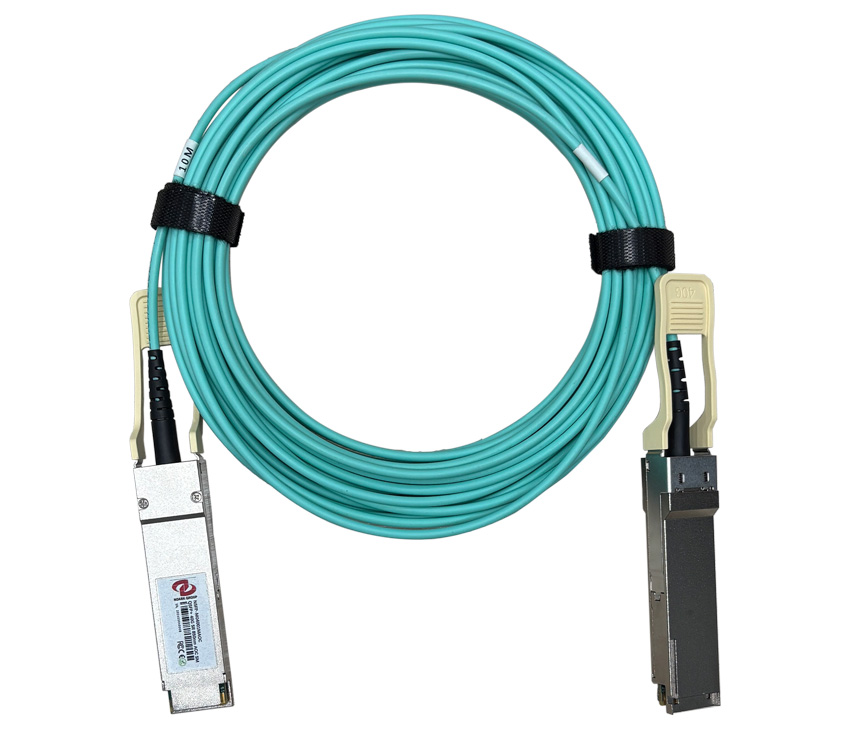
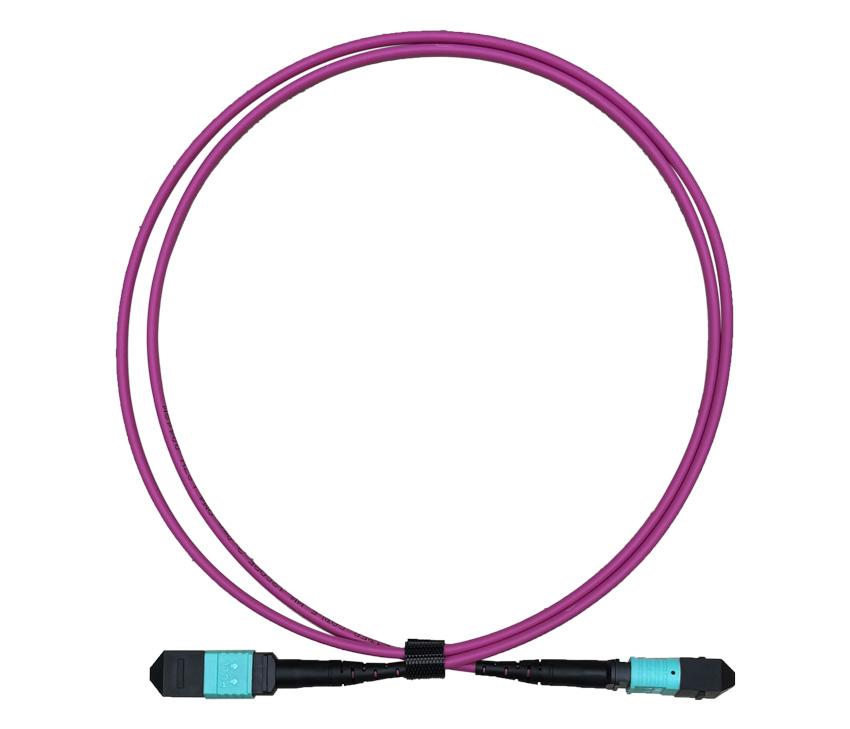
OM3 and OM4 fibers use aqua-colored jackets to denote their higher bandwidth capabilities.
OM5 fibers, designed for short-wavelength division multiplexing (SWDM), are often marked in lime green.
Single-Mode Fiber Colors:
Single-mode cables are commonly jacketed in yellow to distinguish them from multimode variants.
Some specialized single-mode fibers, such as those used in submarine applications, may follow additional color conventions.
Adhering to these standards prevents misconnections and ensures optimal network performance, especially in multi-fiber environments.
Beyond cable jackets, connectors and adapters also follow color-coding rules to indicate compatibility and polarization.
Connector Types:
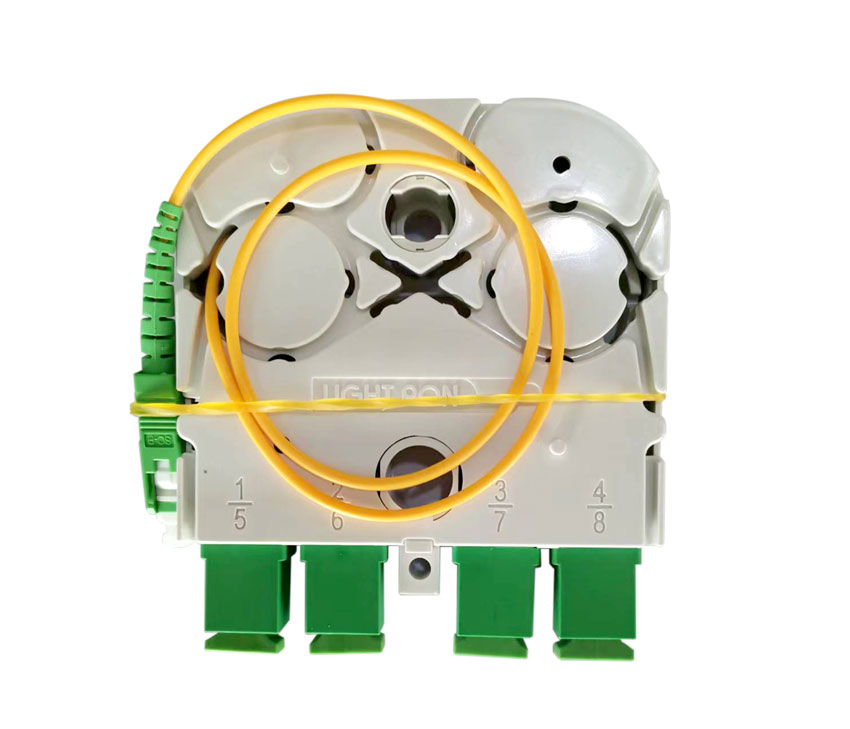
SC connectors are often blue for single-mode and beige for multimode, though some manufacturers use green for single-mode.
LC connectors may follow similar color schemes, with blue for single-mode and beige or black for multimode.
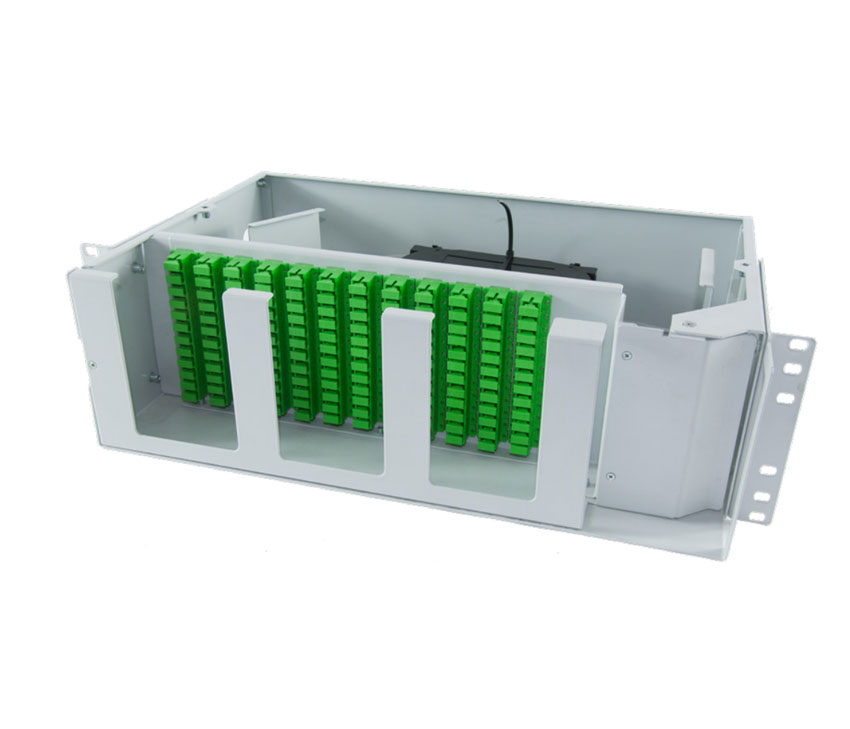
APC (Angled Physical Contact) connectors are universally green to denote their low-reflection design, critical for high-speed applications.
Adapter Color Matching:
Adapters should match the connector colors they support to avoid accidental mismatches. For example, a blue adapter should only accept blue single-mode connectors.
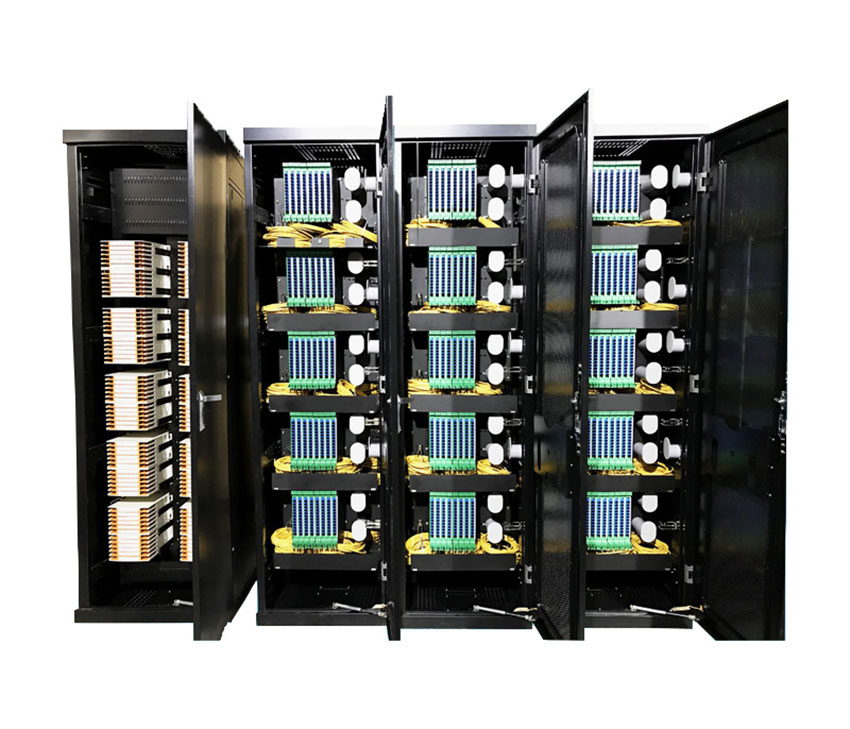
This layer of color identification is vital in dense patch panels or data centers, where hundreds of connections must be managed accurately.
While standards provide a baseline, some industries or projects require custom color schemes for organizational or safety reasons.
Network Segmentation:
Different colors can represent distinct network segments, such as separating production and backup links. This visual distinction simplifies management and reduces human error during maintenance.
Safety and Hazard Identification:
In industrial settings, cables may be colored red or orange to indicate high-voltage or critical infrastructure connections.
Fluorescent or high-visibility colors improve detection in low-light environments, enhancing worker safety.
Environmental Adaptability:
UV-resistant or flame-retardant jackets may retain their color better under harsh conditions, ensuring long-term visibility.
When opting for custom colors, verify that they do not conflict with existing standards or regional regulations to avoid confusion.
The durability of color markings is often overlooked but crucial for long-term reliability. Poor-quality dyes or materials can fade over time, rendering color codes ineffective.
Material Quality:
High-grade PVC or LSZH (Low Smoke Zero Halogen) jackets resist fading from sunlight, chemicals, or abrasion.
Some manufacturers use laser-etched or embossed labels as a backup to painted colors.
Testing and Certification:
Look for cables that meet industry standards for colorfastness, such as ASTM D4329 for UV resistance.
Third-party certifications can validate a manufacturer’s claims about color durability.
Investing in fade-resistant materials reduces the need for re-labeling and ensures accurate identification throughout the cable’s lifespan.
Even with robust color coding, proper documentation is essential to maintain clarity, especially in complex networks.
Fiber Mapping:
Use numbered or lettered labels alongside colors to create a redundant identification system. For example, a blue cable might be labeled “SM-01” for single-mode fiber 1.
Digital Tools:
Implement software solutions that track cable colors, locations, and functions in real time. This is particularly useful for large-scale deployments or remote management.
Training and Standards Compliance:
Ensure installation teams are trained to recognize and follow color conventions. Regular audits can identify deviations before they cause issues.
By combining color coding with structured documentation, buyers can create a resilient identification system that scales with their network’s growth.
Color coding in fiber optic cables is more than a visual aid—it’s a functional requirement for efficient, error-free installations. By prioritizing standardization, durability, and documentation, buyers can ensure their networks remain manageable and reliable over time.