Temperature Stability of Fiber Optic Cables: Key Considerations for Buyers
Fiber optic cables are critical for modern communication networks, but their performance can be significantly affected by temperature fluctuations. Understanding temperature stability and selecting cables designed to withstand environmental changes is essential for ensuring long-term reliability. Below are the technical factors and practical considerations to evaluate when purchasing fiber optic cables.
The core and cladding materials of a fiber optic cable determine its thermal behavior. Glass fibers, typically made from silica, exhibit lower thermal expansion coefficients compared to plastic-based alternatives. This makes them more stable in extreme temperatures, whether hot or cold.
Silica Fibers: Ideal for outdoor installations, as they resist deformation under temperature swings.
Plastic Fibers: More susceptible to expansion or contraction, which can lead to signal loss in harsh climates.
Coating materials also play a role. Polyimide or acrylate coatings offer better thermal resistance than standard polymers, protecting the fiber from microbending losses caused by temperature-induced stress.
The physical structure of the cable influences its ability to maintain performance across temperatures. Loose tube designs, for example, allow fibers to move freely within a protective sheath, reducing stress from thermal contraction.
Loose Tube vs. Tight Buffered: Loose tube cables are preferred for outdoor use due to their flexibility in temperature extremes. Tight buffered cables, while easier to handle, may perform better in controlled indoor environments.
Water-Blocking Gel: Used in loose tube designs, this gel prevents moisture ingress, which can exacerbate temperature-related degradation.
Armored or ruggedized cables with metal sheathing provide additional protection against both physical damage and thermal cycling, making them suitable for industrial or underground applications.
The intended deployment location dictates the required temperature tolerance. Cables installed in regions with extreme seasonal variations need a wider operational range than those in temperate zones.
Operating Temperature Specifications: Look for cables rated for the full range of expected conditions, such as -40°C to 85°C for outdoor use.
UV Resistance: Prolonged sun exposure can degrade cable jackets, compounding temperature effects. UV-stabilized materials mitigate this risk.
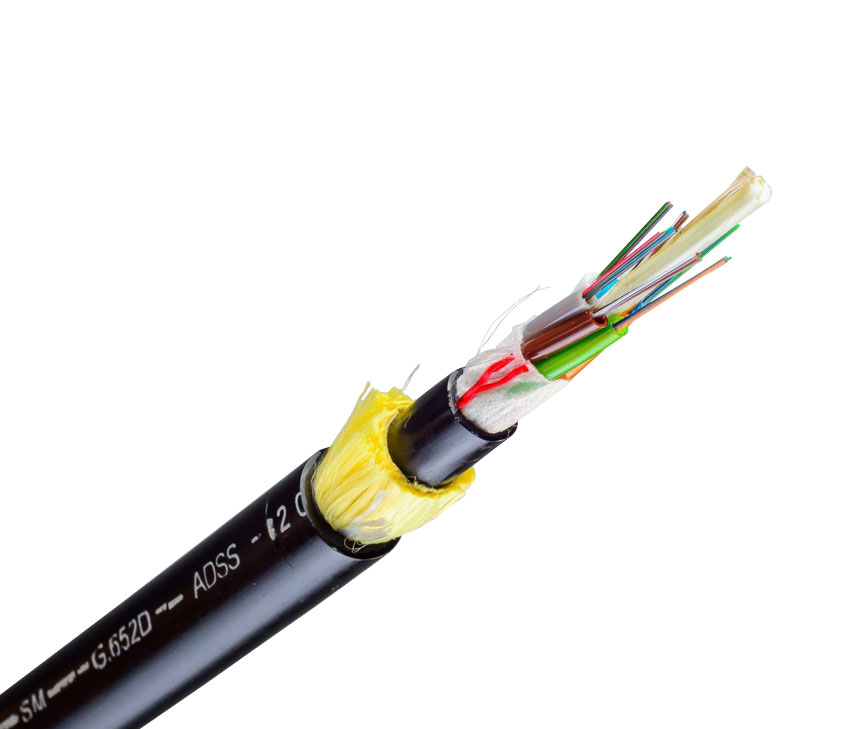
For aerial installations, consider cables designed to withstand both temperature extremes and wind-induced vibration, which can accelerate wear.
Temperature changes can alter the refractive index of the fiber core, leading to increased attenuation or signal loss. Single-mode fibers are generally more stable than multimode fibers in this regard, as their narrower core design minimizes dispersion effects.
Chromatic Dispersion: Temperature shifts can affect wavelength-dependent signal propagation, particularly in high-speed networks.
Macrobending Sensitivity: Cables with reinforced bending resistance maintain performance even when subjected to thermal contraction or physical flexing.
Testing cables under simulated temperature conditions can help predict real-world behavior and avoid unexpected downtime.
Certifications such as IEC 60793 or TIA/EIA-598 ensure cables meet baseline performance criteria, including temperature stability. Verify that the product adheres to relevant standards for your region or application.
Flame Retardancy: Cables used indoors may require plenum or riser ratings, which also include thermal performance benchmarks.
Mechanical Durability: Standards like GR-20 evaluate a cable’s ability to withstand repeated thermal cycling without degradation.
By prioritizing these technical and environmental factors, buyers can select fiber optic cables that deliver consistent performance across diverse temperature conditions, ensuring network reliability and reducing maintenance costs.